


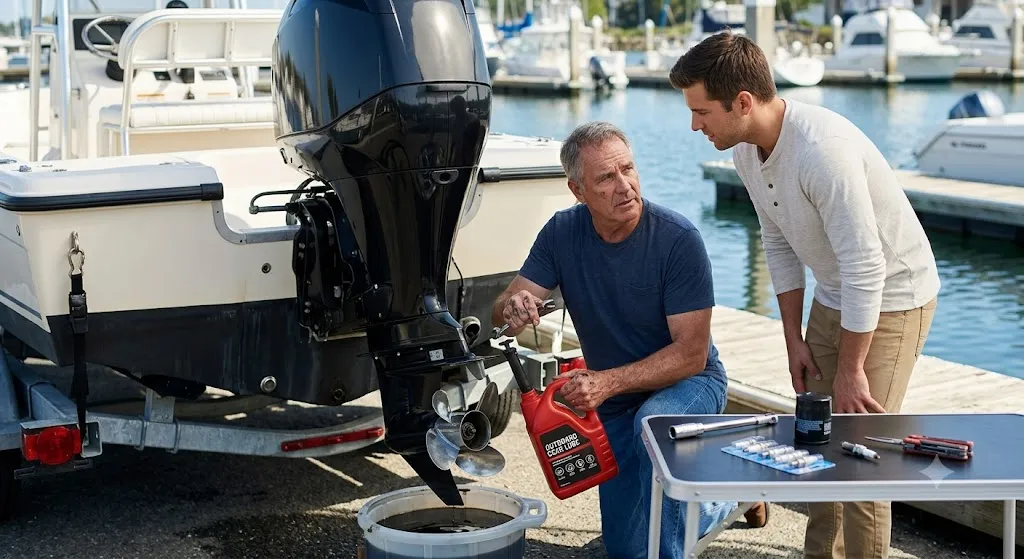
Maintenance is one of the biggest parts of outboard ownership, but many buyers think about it only after the engine is installed. A motor may look ideal based on power and price, yet servicing needs can strongly affect the overall ownership experience.
Before buying, it helps to understand what regular care will involve. Service intervals, parts availability, corrosion prevention, storage, and basic inspections all influence how easy an engine is to live with over the years.
Start With the Service Schedule
Every outboard has a recommended maintenance schedule. This may include fluid changes, filter replacements, spark plug checks, lubrication, and inspections at certain operating hours.
Knowing these intervals early helps owners plan both time and cost. It also makes it easier to avoid missed service that could lead to avoidable problems later.
Routine Checks Save Trouble
Not every maintenance task requires a workshop visit. Simple checks before and after boating can help identify small issues before they become more serious.
Looking at the propeller, cooling-water flow, visible leaks, loose fittings, and general engine condition can become part of a normal boating routine.
Saltwater Needs Extra Attention
Engines used in saltwater need careful cleaning because salt can remain on exposed components and encourage corrosion. Regular flushing is especially important after coastal use.
Owners should also inspect metal surfaces and fittings from time to time. Early signs of corrosion are usually easier to manage than damage that has been ignored for months.
Buying With Maintenance in Mind
A useful way to narrow down Outboard Motors for Sale is to compare not just performance figures but also the practical side of servicing. An engine that fits the boat but is difficult to maintain locally may create unnecessary inconvenience.
Parts availability, nearby service support, and the owner’s own comfort with basic maintenance should all influence the final shortlist.
Propeller Care Is Important
The propeller works in a demanding environment and can be damaged by debris, rocks, or accidental contact. Even minor damage may affect performance.
Owners should inspect it regularly for bends, cracks, or fishing line around the shaft. Keeping this area in good condition can help the engine run more smoothly.
Cooling Systems Need Monitoring
An outboard depends on proper cooling to operate safely. Restricted water flow or neglected cooling components can create overheating problems.
Watching the cooling-water telltale and following recommended service intervals for the water pump and related parts can reduce the risk of unexpected trouble.
Fuel Quality Affects Reliability
Fuel problems can cause poor starting, rough running, and other performance issues. Boats that sit unused for long periods may be especially vulnerable.
Owners should follow suitable fuel-storage practices and avoid leaving questionable fuel in the system. Clean fuel and proper storage support more reliable operation.
Brand Selection Includes Support
Technical specifications are only part of the ownership picture. A Mercury Outboard may suit one owner because of available models, while another buyer may place more importance on local servicing or familiar controls.
The best decision is the one that combines compatibility with realistic long-term support.
Keep Maintenance Records
A simple service history can be useful throughout ownership. Recording maintenance dates, parts replaced, and operating hours creates a clear picture of what has been done.
These records can also help technicians diagnose future issues. If the motor is sold later, a documented maintenance history may give a buyer greater confidence in its condition.
Storage Is Part of Maintenance
Long periods of inactivity require preparation too. Batteries, fuel systems, exposed components, and the motor itself should be stored according to recommended procedures.
Good storage habits can reduce problems when the boat returns to regular use. This is especially important in regions where boating is seasonal.
Do Not Delay Warning Signs
Unusual vibration, difficult starting, strange noises, warning lights, or a sudden change in performance should not be ignored. Early inspection may prevent a minor issue from becoming more expensive.
Owners who respond quickly to changes usually have a better chance of keeping the engine dependable and avoiding longer periods off the water.
Conclusion
Maintenance should be considered before an outboard is purchased, not after problems appear. Service schedules, fuel care, corrosion prevention, cooling checks, storage, and parts availability all influence long-term ownership.
A motor that is easy to service and properly supported can be more practical than one selected only for power or price. Understanding maintenance requirements from the start helps owners protect reliability, control costs, and enjoy more trouble-free time on the water.